The Hidden Cost of AI Growth Nobody Is Talking About
AI Feels Weightless — But It Isn’t
AI feels instant and effortless.
A question answered. An image was generated. A task is automated.
But every action rests on physical systems that carry real costs.
Those costs are rarely discussed.
The Cost That Doesn’t Appear on Screens
Most AI conversations focus on features and speed.
Very few mention what it takes to keep systems running.
Energy, water, land, and labor are all involved.
They stay invisible to users.
Electricity Is the First Hidden Cost
AI systems operate constantly.
They require steady, uninterrupted power.
That demand adds pressure to electricity grids worldwide.
The change is gradual, not dramatic.
Cooling Uses More Than You Think
Servers generate heat nonstop.
Cooling them consumes enormous energy.
In some regions, it also uses large amounts of water.
This trade-off rarely reaches public discussion.
Water: The Overlooked Resource
Data centers need cooling efficiency.
Water-based systems are common and effective.
But local water stress can increase quietly.
This matters in drought-prone areas.
Land Use Is Expanding Quietly
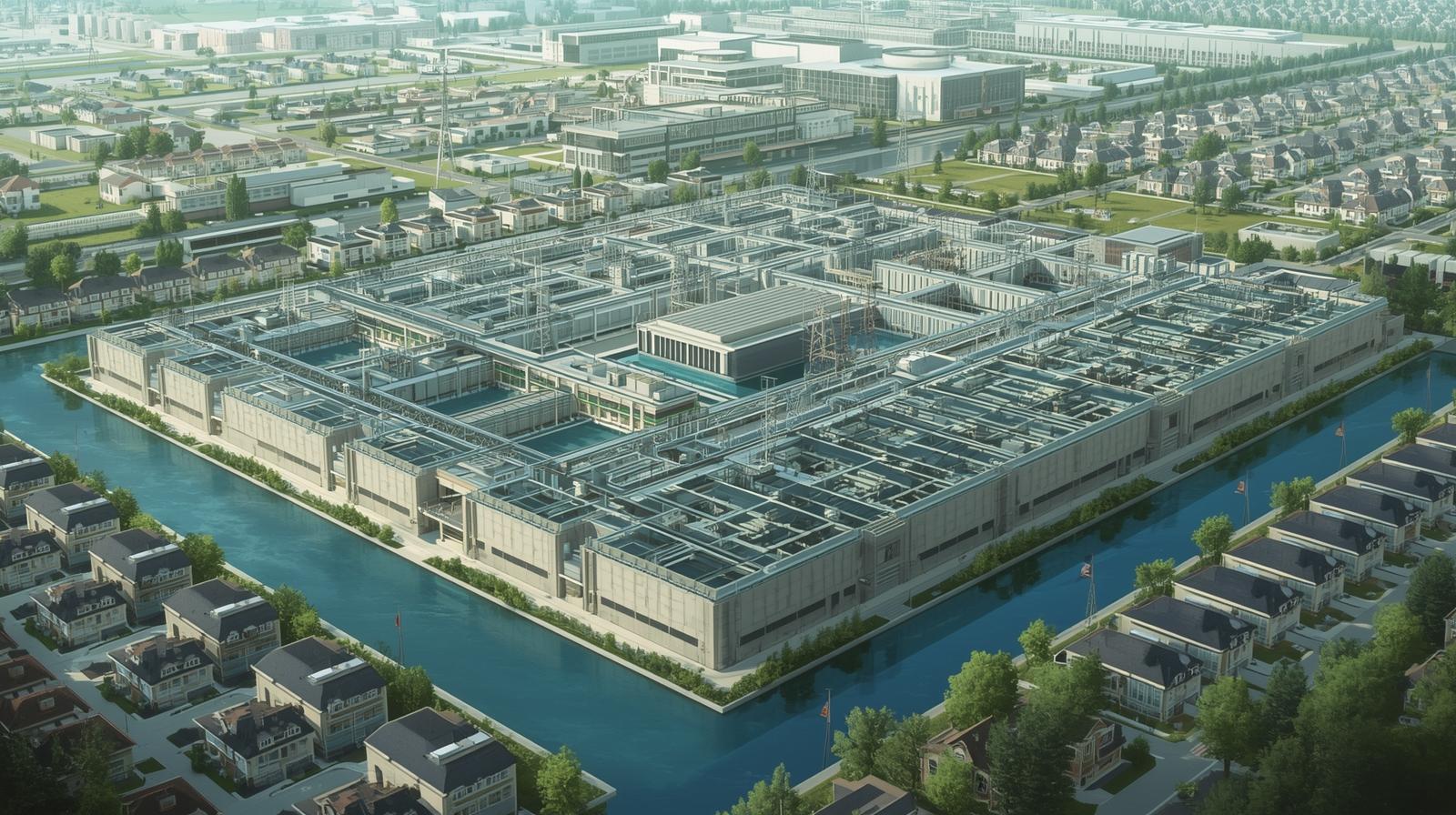
Large data centers require space.
They reshape land use near cities and energy hubs.
Once built, they become permanent fixtures.
The impact accumulates over time.
Infrastructure Bears the Weight
Roads, power lines, substations, and cooling systems must expand.
These upgrades cost time and money.
Communities often notice only after construction begins.
Infrastructure moves more slowly than innovation.
Environmental Trade-Offs Are Complex
AI supports efficiency and optimization.
Yet it also increases resource use.
Both realities exist at the same time.
Simple narratives don’t capture this balance.
Why These Costs Lag Behind Growth
AI adoption moves fast.
Infrastructure adapts slowly.
That gap creates strain long before public awareness catches up.
This lag is structural.
Labor Costs No One Sees
AI systems require human oversight.
Maintenance, monitoring, and emergency response are ongoing.
People support systems long after deployment.
Automation does not eliminate human work.
Global Inequality in Hidden Costs
AI benefits are global.
But infrastructure burdens are local.
Some regions carry more environmental and energy stress than others.
This imbalance matters.
Why Markets Don’t Reflect These Costs Clearly
Most AI costs are indirect.
They don’t appear in product pricing.
Instead, they surface through utilities and infrastructure budgets.
That separation hides true impact.
Why This Is Not an Anti-AI Argument
AI brings real benefits.
Efficiency gains are meaningful.
The goal is understanding, not rejection.
Awareness enables better decisions.
Why This Is Not an Anti-AI Argument
AI brings real benefits.
Efficiency gains are meaningful.
The goal is understanding, not rejection.
Awareness enables better decisions.
The Quiet Link Between AI and Energy Systems
AI growth ties directly into energy planning.
Data centers behave like permanent energy users.
This reshapes how electricity demand evolves.
For context, see Why Data Centers Are Becoming the New Power Plants.
How Electricity Demand Tells Part of the Story
Steady AI usage raises baseline consumption.
That change doesn’t spike — it settles in.
Over time, it becomes the new normal.
This is how hidden costs spread.
For a deeper background, read Why AI Is Quietly Changing Electricity Demand Worldwide.
Communities Feel the Impact First
Local communities see construction, traffic, and grid upgrades.
They experience changes before global conversations begin.
These early signals often go unnoticed.
Until pressure becomes visible.
Why Transparency Is Catching Up Now
Utilities track demand more closely.
Researchers publish broader impact studies.
Policymakers start connecting systems, not silos.
The conversation is slowly opening.
What Responsible Growth Looks Like
Responsible AI growth aligns with infrastructure capacity.
It accounts for energy, water, and land.
It values long-term stability over short-term speed.
This approach builds trust.
The Human Side of Hidden Costs
People expect AI to work instantly.
They rarely think about what supports that experience.
Hidden costs accumulate quietly — carried by systems and communities.
Understanding creates empathy.
A Calm, Honest Takeaway
AI is not free or weightless.
Its costs are physical, shared, and manageable.
But only if they are acknowledged.
Quiet awareness is the first step.