How AI Is Reshaping Jobs Without People Noticing
Most Job Changes Don’t Happen All at Once
When people talk about AI and jobs, they imagine sudden replacement.
Entire roles are disappearing overnight.
But that’s not how change usually happens.
Real job change is slow, subtle, and easy to miss.
AI Rarely Replaces a Job — It Changes a Task
Most jobs are made of many small tasks.
AI usually affects just one or two at first.
Over time, those small changes reshape the role itself.
This is why disruption feels invisible.
Why People Don’t Notice the Shift
People still go to work.
Titles stay the same.
Paychecks arrive as usual.
But behind the scenes, the nature of the work evolves quietly.
Automation Is Happening Between the Headlines
AI handles scheduling, sorting, drafting, and checking.
Not the whole job — just the repetitive parts.
That slowly changes what humans focus on.
Less routine. More judgment.
Work Is Becoming Less Manual, More Supervisory
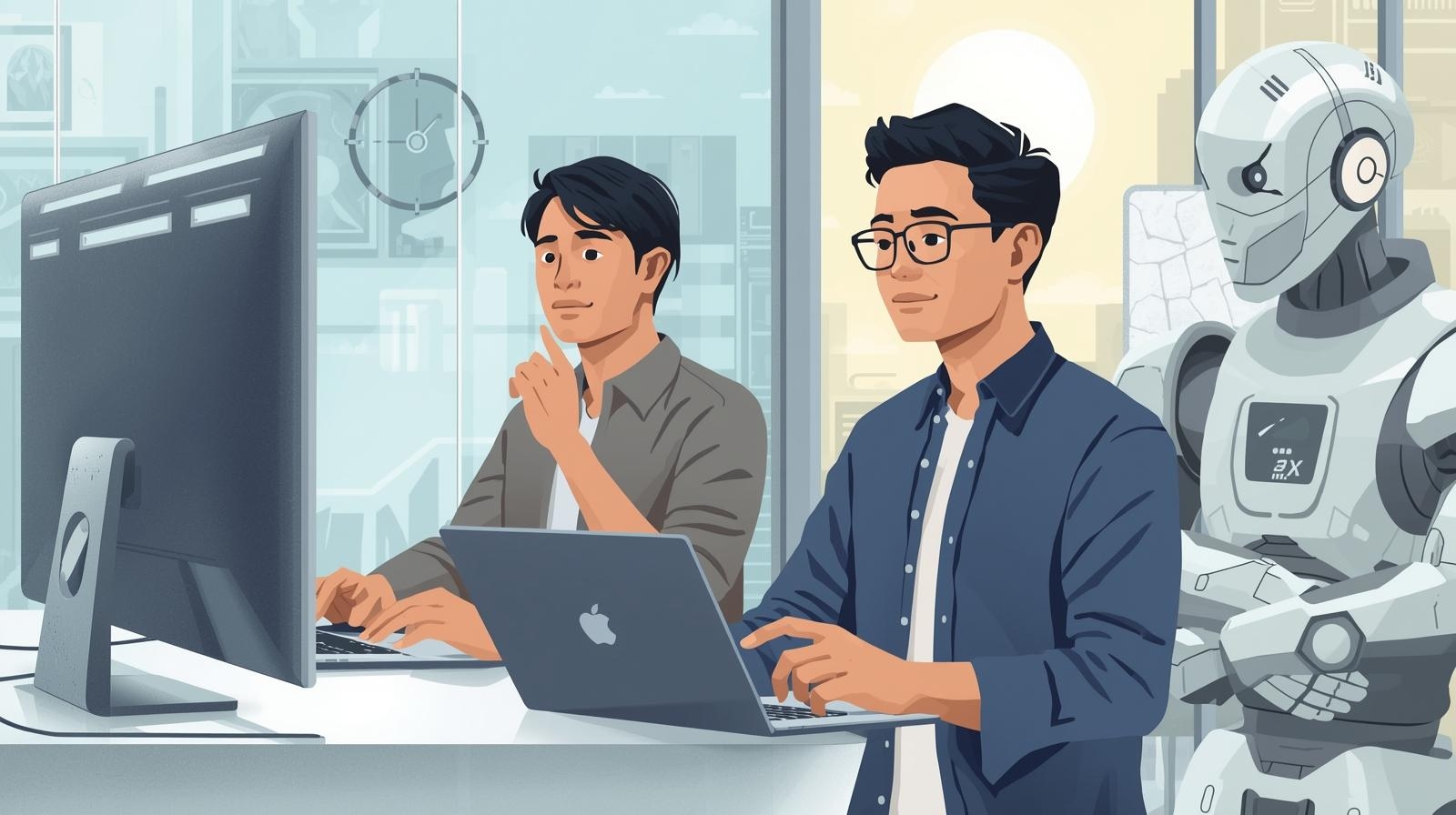
Many roles now involve overseeing systems.
People review outputs instead of creating everything from scratch.
This shift feels small day to day, but large over the years.
Work becomes lighter — and different.
Some Jobs Shrink Before They Disappear
Certain tasks quietly fade away.
They stop being assigned.
Eventually, new hires never learn them.
This is how roles change without announcements.
New Responsibilities Appear Without New Titles
AI introduces new needs.
Verification, correction, ethical judgment, escalation.
These tasks get added without formal recognition.
The job grows — sideways.
Why This Isn’t a Mass Unemployment Story
Most industries still need people.
AI increases productivity more than replacement.
Human context, trust, and accountability remain essential.
The story is an adjustment, not a collapse.
Skill Shifts Are Happening Quietly
Communication matters more.
Critical thinking matters more.
Understanding systems matters more.
Manual repetition matters less.
Why Entry-Level Work Is Changing First
Early-career roles often involve routine tasks.
Those tasks are easiest to automate.
This changes how people gain experience.
Learning paths are being rewritten.
Companies Are Redesigning Roles Internally
Organizations adapt before they announce change.
Teams experiment quietly.
Processes evolve long before public strategy statements.
By the time the change is visible, it’s already normal.
AI Changes Pace, Not Just Tasks
Work moves faster.
Expectations adjust.
Turnaround times shrink.
Pressure doesn’t always come from management — sometimes it comes from tools.
Emotional Labor Becomes More Important
As technical tasks are automated, human interaction stands out.
Listening, explaining, reassuring — these can’t be rushed.
Human presence gains value.
Ironically, technology highlights humanity.
The Hidden Connection to Infrastructure
Job changes don’t happen in isolation.
They follow infrastructure shifts.
AI depends on energy, data centers, and systems that reshape work environments.
For background, see Why Data Centers Are Becoming the New Power Plants.
Electricity and Jobs Are Linked
As AI workloads grow, energy systems adapt.
New technical roles appear.
Maintenance, planning, and oversight expand quietly.
This links labor change to physical systems.
Read more in Why AI Is Quietly Changing Electricity Demand Worldwide.
The Cost Side People Rarely Discuss
Efficiency gains come with pressure.
Faster output becomes the expectation.
Burnout can rise if roles aren’t redesigned thoughtfully.
This is part of AI’s hidden cost.
Explore more in .
Why Older Workers Often Adapt Better Than Expected
Experience matters more than speed.
Judgment matters more than novelty.
Many experienced workers transition smoothly into oversight roles.
The stereotype doesn’t hold up.
Younger Workers Face a Different Challenge
Learning by doing is changing.
Some traditional stepping stones are missing.
Mentorship and structured learning become more important.
This is a design problem, not a failure.
Why This Change Feels Emotionally Confusing
Nothing dramatic happens.
Yet work feels different.
People sense a shift without clear language for it.
Uncertainty grows in silence.
What Responsible Adaptation Looks Like
Good organizations slow down where needed.
They redefine roles intentionally.
They value human judgment alongside automation.
This builds long-term trust.
Why Awareness Matters More Than Fear
Understanding change reduces anxiety.
It allows preparation instead of reaction.
Silence creates fear — clarity creates stability.
This is a conversation worth having.
A Calm, Honest Takeaway
AI isn’t stealing jobs in the dark.
It’s reshaping work in daylight — slowly.
The key is noticing, adapting, and designing work with people in mind.
Quiet change still deserves attention.