
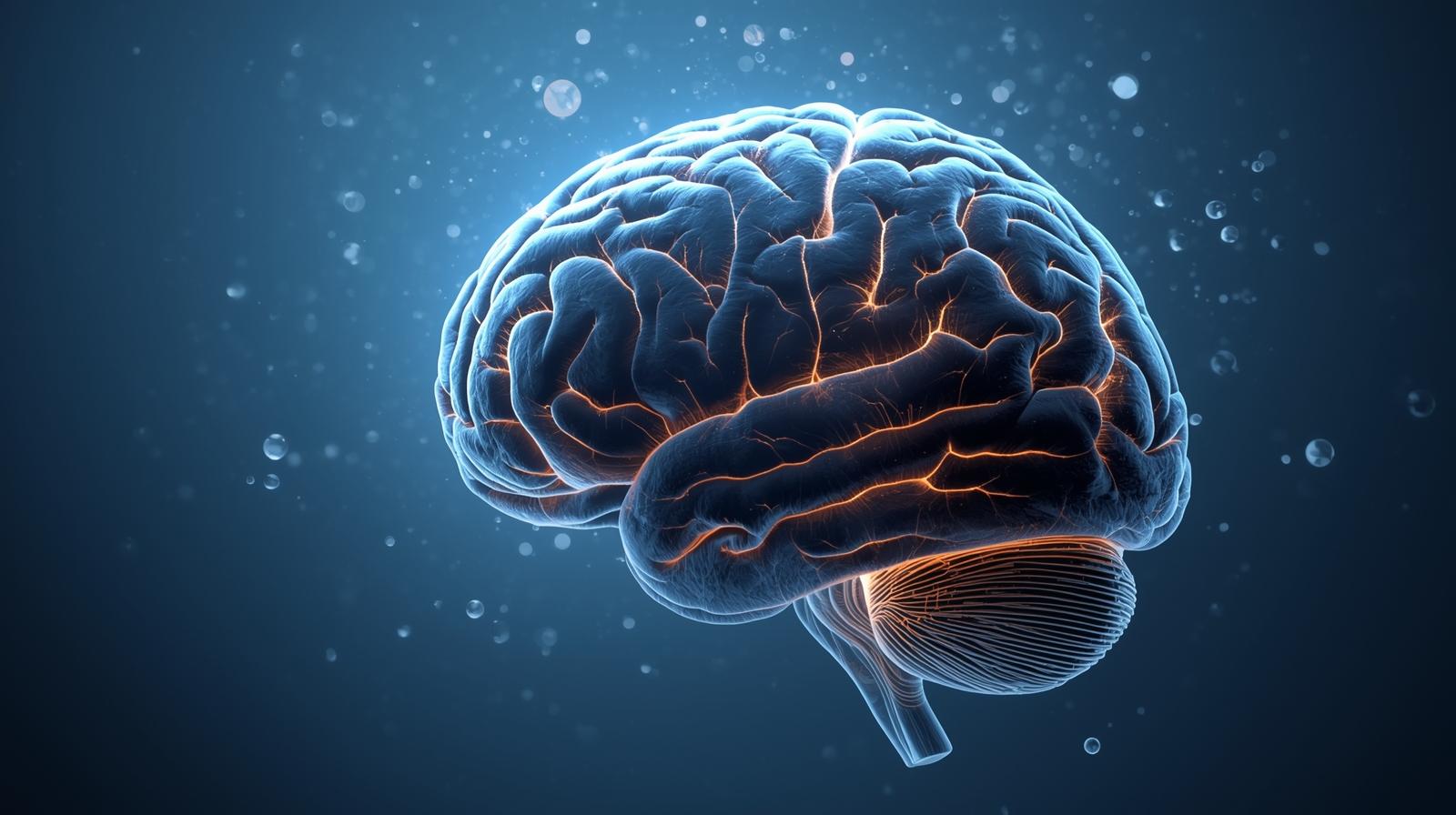
How the Human Brain Decides What to Remember and What to Forget
Introduction
Every day, your brain receives more information than it can handle.
Conversations. Notifications. Faces. Sounds. Thoughts.
Yet you remember only a tiny part of it.
This is not a weakness of the brain.
It’s one of its smartest survival skills.
The Brain Is a Filter, Not a Recorder
Many people think forgetting means something is wrong.
In reality, forgetting means your brain is working properly.
If the brain remembered everything:
- You would feel overwhelmed
- Decision-making would slow down
- Focus would disappear
The brain’s main job is not memory.
Its main job is selection.
The First Question Your Brain Asks
Before saving any information, your brain silently asks:
“Is this important for survival or meaning?”
If the answer is unclear, the memory fades.
This decision happens automatically.
You don’t control it consciously.
Attention Is the Gatekeeper of Memory
You only remember what you pay attention to.
Attention is like a spotlight.
Whatever falls inside it has a chance to be remembered.
Whatever stays outside is ignored.
That’s why:
- You forget most background noise
- You miss details when distracted
- You remember moments when fully present
Why Multitasking Destroys Memory
When you multitask, attention gets divided.
The brain cannot deeply process multiple things at once.
So it chooses:
- Shallow processing
- Temporary storage
- Fast forgetting
This is why scrolling while listening rarely leads to strong memories.
The Brain Prioritizes Change Over Routine
Routine is safe.
Change signals importance.
Your brain remembers:
- Unexpected events
- Sudden changes
- Things that break patterns
That’s why you forget daily routines but remember rare moments.
Novelty wakes the brain up.
Survival Comes Before Knowledge
The brain evolved for survival, not exams.
It remembers things linked to:
- Threat
- Reward
- Social connection
- Identity
Abstract information without relevance gets downgraded.
Meaning decides memory.
Emotion Is the Brain’s “Save” Button
Emotion tells the brain something matters.
Strong emotion means:
- Higher chemical release
- Deeper neural encoding
- Longer memory lifespan
This is why emotionally neutral facts disappear quickly.
Emotion gives memory weight.
Why the Brain Deletes Information on Purpose
Forgetting is not failure.
It’s mental housekeeping.
The brain removes:
- Outdated information
- Repeated non-important input
- Conflicting useless details
This keeps thinking clearly and efficiently.
Memory Competes for Space
Memory is not infinite.
Every new memory competes with existing ones.
The brain keeps:
- What is useful
- What is meaningful
- What is emotionally charged
Everything else slowly fades.
Why Stress Changes What You Remember
Stress narrows attention.
In stressful moments, the brain focuses on:
- The threat
- The feeling
- The main outcome
Details become less important.
That’s why people remember how a moment felt, not every detail.
The Role of Repetition (And Its Limits)
Repetition helps memory — but only when attention is paid.
Mindless repetition:
- Fades quickly
- Feels familiar but fragile
Meaningful repetition:
- Strengthens neural paths
- Builds long-term memory
Quality beats quantity.
Why You Remember Faces but Forget Names
Faces are:
- Socially important
- Emotionally relevant
- Visually rich
Names are abstract labels.
The brain prioritizes what helps social survival.
This links closely with how the mind prefers visual information, as explained in
👉 Why the Human Mind Remembers Images Better Than Words
The Brain Loves Meaning, Not Data
Information without meaning is noise.
Meaning connects new information to:
- Past experiences
- Identity
- Personal goals
This connection tells the brain:
“Keep this.”
Why You Forget Things You “Know”
Ever felt like you know something but can’t recall it?
That’s not deletion.
It’s an access failure.
The memory exists, but the brain can’t find the right path to retrieve it.
Context matters.
Sleep Decides What Stays and What Goes
Sleep is the brain’s review session.
During sleep:
- Important memories are strengthened
- Useless details are removed
- Emotional experiences are processed
Poor sleep leads to poor memory decisions.
Why Childhood Memories Feel Selective
You don’t remember everything from childhood.
You remember:
- Emotionally charged moments
- Identity-forming experiences
- Repeated meaningful events
The brain keeps what helped shape who you are.
Can You Train the Brain to Remember Better?
Yes — but not by force.
You improve memory by:
- Focusing deeply
- Creating meaning
- Connecting information to emotion
- Reducing overload
The brain remembers what feels alive.
Experience, Not Perfection, Builds Trust (E-E-A-T)
This understanding comes from:
- Cognitive psychology principles
- Real human experience
- Observed memory behavior across cultures
No exaggerated claims.
No shortcuts.
Just how the brain naturally works.
Final Thought
Your brain is not broken because you forget.
It’s intelligent because it chooses.
Remembering is a decision.
Forgetting is a feature.
And your brain is making those choices every second.