
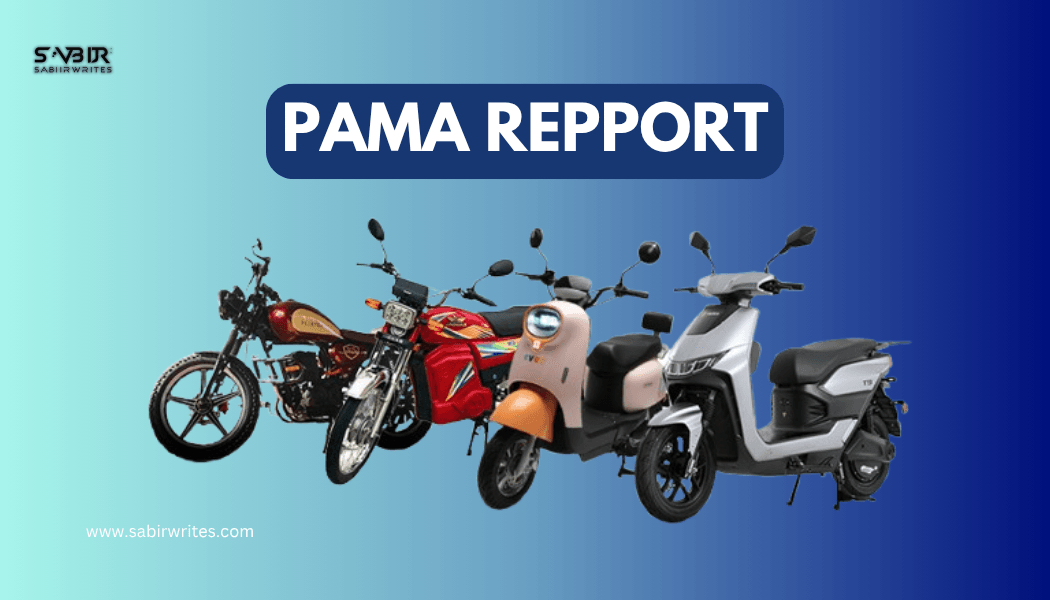
Almost 90% of Electric Bikes in Pakistan Found Using Unsafe Batteries – A Deep Dive into the PAMA Report
Introduction to the PAMA report on Electric Bikes
Electric bikes have rapidly become the symbol of sustainable urban transport in Pakistan. As fuel prices soar and environmental concerns intensify, more Pakistanis are adopting electric mobility. However, a recent report by the Pakistan Automotive Manufacturers Association (PAMA) has revealed a shocking reality — almost 90% of e-bikes in Pakistan are using unsafe batteries. This discovery raises serious concerns about safety, regulation, and the future of the electric vehicle (EV) industry in the country.
The Rise of Electric Bikes in Pakistan
Electric bikes entered the Pakistani market as an affordable, eco-friendly solution for daily commuters. Brands like Jolta, Evee, and Metro introduced e-bikes, promising zero fuel cost and minimal maintenance.
The shift was fueled by:
- Skyrocketing petrol prices.
- Increasing public awareness about climate change.
- Government incentives for EV adoption.
However, as demand grew, quality control took a backseat, leading to widespread use of unregulated battery systems.
What Sparked the Pakistan Automotive Manufacturers Association Investigation?
PAMA began its investigation following multiple incidents of e-bike battery failures, including fires and sudden power shutdowns. Consumer complaints rose, and safety concerns reached new heights.
The association decided to conduct a nationwide inspection, checking major e-bike brands and suppliers. Their findings shocked the industry — unsafe and uncertified batteries were rampant, putting thousands of riders at risk.
Key Findings of the PAMA Report
The report exposed that:
- 90% of e-bikes tested were fitted with unsafe or substandard batteries.
- Many used low-grade lithium-ion or lead-acid cells, which were often recycled or imported without proper testing.
- A significant number of bikes lacked Battery Management Systems (BMS) — crucial for preventing overheating and short circuits.
These findings highlight a dangerous trend where affordability outweighs safety.
Understanding Battery Safety Standards
Safe e-bike batteries are expected to meet specific criteria — from thermal stability to overcharge protection. International standards such as UN 38.3 and IEC 62133 ensure reliability and safety.
Unfortunately, Pakistan lacks a unified certification body for EV components. This gap allows substandard products to flood the market without oversight.
Why Unsafe Batteries Are a Growing Threat
An unsafe e-bike battery is not just unreliable — it’s potentially deadly.
- Overheating and explosions can occur due to poor insulation or faulty circuits.
- Reduced charging capacity affects daily usability.
- Damaged batteries can emit toxic fumes harmful to both riders and the environment.
Think of it like using a cheap power bank that explodes when overcharged — only this time, it’s attached to your vehicle.
The Role of Local Manufacturers
Many local assemblers purchase cheap imported battery cells to keep e-bikes affordable. However, these cells often lack proper certification.
Cutting corners in production has led to:
- Weak wiring and poor insulation.
- Lack of proper thermal management.
- Increased failure rates within months of purchase.
The absence of local battery R&D further worsens the issue.
Imported vs. Locally Manufactured Batteries
Imported Chinese batteries dominate the Pakistani market. While some brands meet global safety standards, most are low-cost, low-quality imports.
Pakistan’s limited local production capacity means manufacturers depend heavily on foreign supply chains — making quality control nearly impossible.
Government Regulations and Gaps
The Electric Vehicle Policy 2020 aimed to promote green transport. However, it failed to include battery safety protocols or inspection mechanisms.
Without mandatory certification or enforcement, unsafe products freely enter the market, compromising user safety and public trust.
Environmental and Economic Implications
Unsafe batteries not only endanger lives but also harm the environment. Improper disposal of used or damaged batteries leads to toxic waste leakage.
Moreover, frequent battery replacements increase costs for consumers, offsetting the financial advantages of owning an e-bike.
How Consumers Can Protect Themselves
Before buying an electric bike, always:
- Check for battery brand and warranty.
- Avoid models without Battery Management Systems (BMS).
- Ask for safety certification documents.
- Stick to reputable manufacturers with good after-sales support.
A little research can literally save your ride — and your life.
The Future of Electric Mobility in Pakistan
Despite these challenges, the future remains bright. Several initiatives are underway:
- Local companies exploring lithium-iron-phosphate (LiFePO4) batteries — known for safety.
- Government discussions to establish testing labs for EV components.
- Partnerships with global firms to develop battery recycling plants.
Industry Response to PAMA’s Findings Report
Manufacturers have expressed concern but also a willingness to improve. Many are now seeking partnerships with certified suppliers and investing in battery testing technologies.
Distributors are also educating customers about safe charging habits and maintenance practices.
What Needs to Change
To secure the future of Pakistan’s electric mobility, we need:
- Strict regulation and certification systems for EV batteries.
- Incentives for local battery production.
- Awareness campaigns to educate users.
- Collaboration between government, manufacturers, and researchers.
Only through joint effort can Pakistan achieve safe and sustainable electric transport.
Conclusion
Electric bikes are revolutionizing Pakistan’s transport landscape — but without safety, progress loses meaning. The PAMA report serves as a wake-up call. By enforcing quality standards and fostering innovation, Pakistan can steer toward a future where green mobility is both safe and reliable.
Poor insulation, lack of BMS, and low-quality cells are key causes of unsafe batteries.
No. Some Chinese brands meet international standards, but many cheap imports lack certification.
Ask for certification labels and ensure they include a BMS system.
PAMA monitors automotive industry standards and reports safety violations.
Currently, minimal action — but new regulations and inspection policies are under review.