How Stories Hack the Human Mind Better Than Facts
Facts inform the brain.
Stories enter the mind.
This is why you forget numbers, charts, and reports—but remember a story you heard years ago. The human mind isn’t built to store data. It’s built to experience meaning.
I’ve spent years observing how people remember content online.
What stays is never the facts alone.
What stays is the story wrapped around them.
This article explores why storytelling works, how it shapes memory, and how the human mind turns stories into lifelong mental images.
The Human Brain Was Designed for Stories, Not Data
Long before books, humans survived through spoken stories.
Stories carried warnings, lessons, emotions, and identity.
The brain evolved to treat stories as experience, not information.
When you hear a story, your mind doesn’t listen—it simulates.
Neuroscience shows that stories activate multiple brain areas at once.
Language, emotion, imagination, and memory light up together.
Facts activate one region.
Stories activate the whole brain.
Why Facts Are Forgotten So Easily
Facts arrive alone.
The brain asks: Why should I keep this?
Without emotion or context, information feels disposable.
Your mind deletes what it doesn’t emotionally tag as important.
A statistic is cold.
A story gives it a heartbeat.
This is why textbooks fade from memory, while childhood stories stay alive.
Memory follows meaning, not accuracy.
Stories Create Mental Images That Lock Into Memory
The human mind remembers images, not sentences.
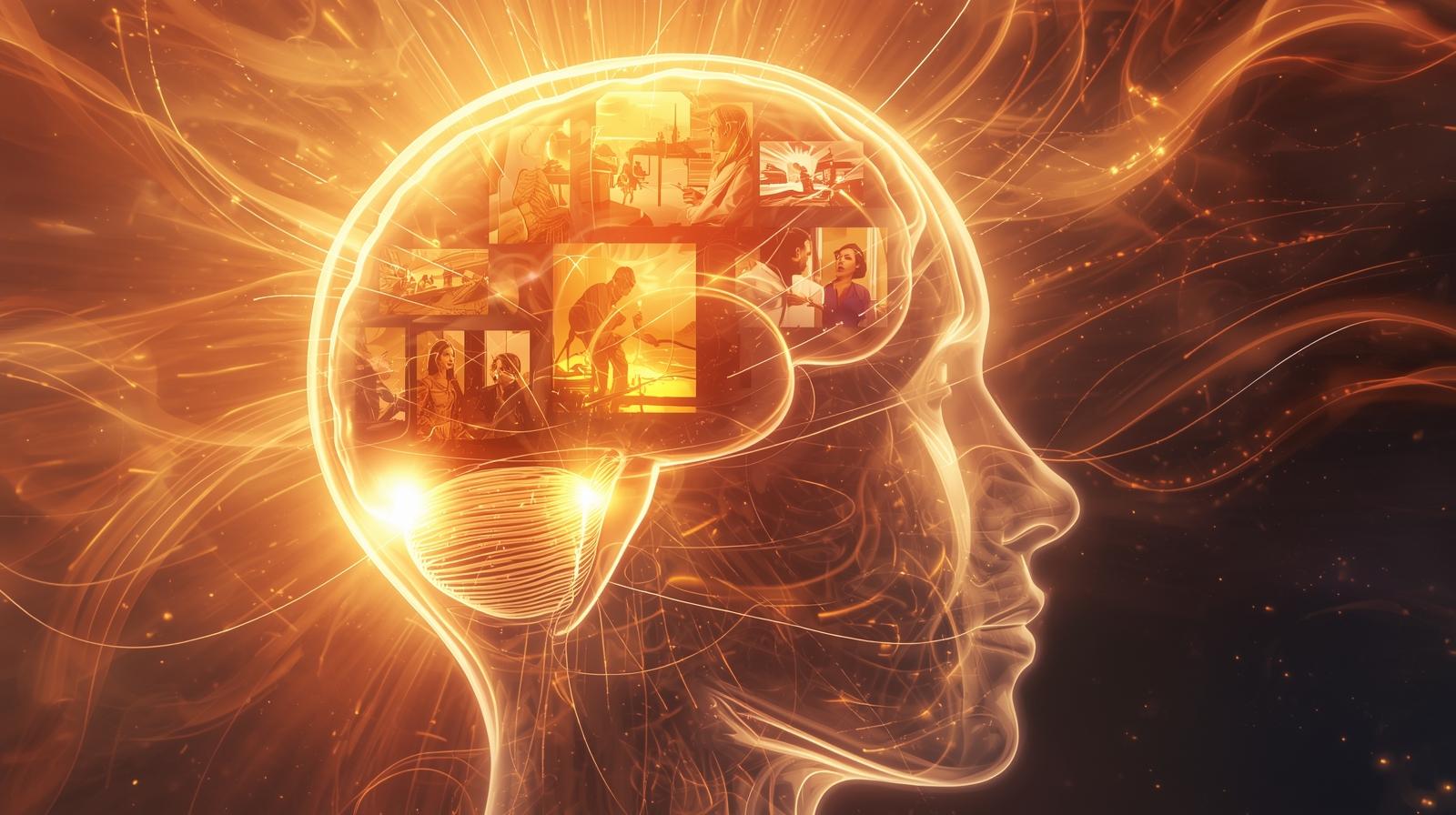
When someone tells a story, your brain creates a movie.
Faces, places, emotions, movement—all stored visually.
This is the same mechanism explained in
👉 How the Human Mind Thinks in Images, Not Words
Once an image is formed, memory becomes sticky.
You don’t remember the words—you remember the scene.
That scene becomes a mental shortcut the brain never deletes.
Emotion Is the Real Memory Trigger
Emotion is the brain’s save button.
Stories trigger curiosity, fear, hope, sadness, or joy.
The stronger the emotion, the deeper the memory imprint.
That’s why emotional stories spread faster than factual content.
They don’t convince—you feel them.
This emotional encoding is what makes stories powerful in education, media, and even personal growth.
Why Stories Feel More “True” Than Facts
Here’s a hard truth:
The human mind doesn’t measure truth logically first—it measures believability.
Stories feel true because they mirror lived experience.
They match how reality feels, not how it’s measured.
Facts require trust.
Stories create trust.
This psychological trust loop is why people remember stories even when the facts change.
Storytelling Builds Authority Without Forcing It
Authority doesn’t come from telling people what you know.
It comes from showing you understand them.
When someone shares a real experience, the brain registers authenticity.
That’s E-E-A-T in action: Experience before expertise.
Readers trust writers who tell meaningful stories more than those who lecture.
Stories remove resistance.
They feel human.
And the mind listens to humans.
How to Use Stories Without Manipulating the Mind
Storytelling should educate, not exploit.
The goal is clarity, not control.
Understanding, not persuasion.
Ethical storytelling respects the reader’s intelligence and emotions.
It informs through experience, not pressure.
When used honestly, stories help people understand themselves better.
That’s where real value lives.
Final Thought: Stories Are How Humans Remember Being Human
Facts tell you what happened.
Stories tell you why it mattered.
The human mind remembers stories because they reflect life itself.
Messy. Emotional. Visual. Meaningful.
If you want something remembered, don’t present data.
Tell a story the mind can live inside.
That’s how memory is created—and why stories never die.