Why AI Is Quietly Changing Electricity Demand Worldwide
A Change Most People Don’t Notice
Artificial intelligence feels invisible.
It lives in apps, searches, and recommendations.
But behind every AI action, something very physical is happening.
Electricity is being used — constantly.
AI Doesn’t Live in the Cloud — It Lives on Power
The “cloud” sounds light and abstract.
In reality, it’s made of buildings full of machines.
Those machines need electricity every second they run.
AI simply makes them work harder and longer.
Why Electricity Demand Is Rising Without Headlines
No single AI moment causes a spike.
It’s the accumulation of millions of small uses.
Searches, image generation, language models, automation — all add up.
This is why the change feels quiet, not dramatic.
Data Centers Are Working Around the Clock
AI systems don’t sleep.
They process data day and night.
That constant activity creates steady, rising electricity demand.
Unlike factories, they don’t shut down after hours.
The Difference Between AI and Traditional Software
Older software ran when people clicked.
AI runs continuously — learning, updating, predicting.
That difference alone changes energy usage patterns.
It’s not about speed. It’s about duration.
Why This Matters for Power Grids
Power grids are designed for predictable demand.
AI introduces steady, high baseline usage.
That stresses systems built for peaks and pauses.
Utilities are now adjusting quietly.
Electricity Demand Is Shifting Locations
AI doesn’t increase demand everywhere equally.
It concentrates its near data centers.
Some regions feel pressure while others see little change.
This uneven impact complicates planning.
Clean Energy Feels the Pressure Too
AI often supports clean energy goals.
But it also consumes energy continuously.
Matching constant demand with variable renewable supply is difficult.
This tension is growing.
Why Efficiency Alone Isn’t Enough
AI hardware is becoming more efficient.
But usage is growing faster than efficiency gains.
This is known as the rebound effect.
More efficiency often leads to more total use.
The Hidden Infrastructure Race
Governments rarely talk about AI and electricity together.
But behind the scenes, upgrades are happening.
Substations, transmission lines, and cooling systems are expanding.
This is infrastructure responding quietly.
How This Affects Energy Prices Over Time
Rising baseline demand changes pricing dynamics.
Even small increases matter when demand never drops.
Consumers may not connect higher costs to AI — but the link exists.
It’s indirect, but real.
Why This Isn’t a Crisis Story
This isn’t about panic.
Electricity systems are adapting.
The key issue is speed and planning, not collapse.
Understanding comes before reaction.
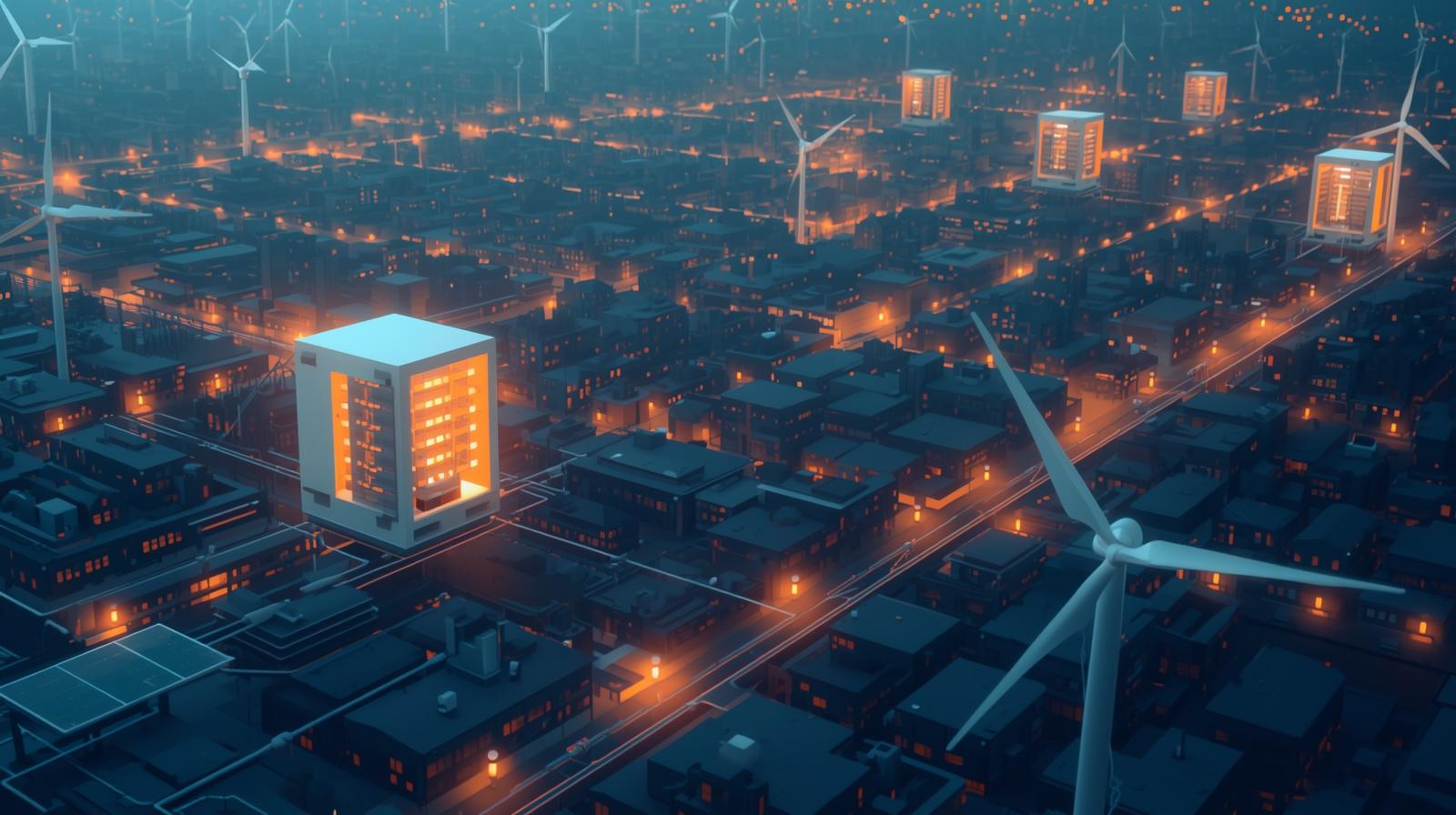
Data Centers Are Becoming Energy Anchors
Large data centers behave like permanent energy users.
They resemble industrial facilities more than offices.
Some regions now plan energy capacity around them.
This shift is structural.
The Global Nature of the Change
AI growth isn’t limited to one country.
Electricity demand rises across continents.
This makes energy planning a global conversation.
No grid is completely isolated anymore.
The Human Side of Invisible Consumption
Most people never see a data center.
They just feel faster apps and smarter tools.
The energy cost stays out of sight.
Invisible demand is the hardest to discuss.
Why Awareness Is Growing Now
Utilities are noticing patterns.
Governments are connecting dots.
Researchers are tracking usage more closely.
The story is slowly surfacing.
How This Connects to Other Quiet Shifts
Electricity demand is only one layer.
AI also reshapes infrastructure and labor in subtle ways:
- Physical infrastructure expansion
→ See Why Data Centers Are Becoming the New Power Plants - Environmental and economic trade-offs
→ Read - Changes in how people work
→ Explore How AI Is Reshaping Jobs Without People Noticing
These stories are connected, not separate.
What This Means for the Future
AI will keep growing.
Electricity demand will follow quietly.
The challenge is aligning innovation with physical limits.
That alignment defines responsible progress.
A Calm Takeaway
AI isn’t just changing screens.
It’s changing sockets, cables, and power flows.
Understanding that helps society prepare — without fear.
Quiet change is still change.