Why the Human Mind Remembers Images Better Than Words
Have you ever noticed something strange?
You might forget a phone number in seconds…
But remember a scene from childhood, a face, or a moment for years.
This isn’t magic.
This is how the human mind is designed to work.
The human brain doesn’t store information like a computer file.
It stores experiences, emotions, and images.
And that changes everything about how we remember.
The Human Mind Is Not a Storage Box — It’s a Movie Maker
Most people think memory works like this:
Hear something → Store it → Recall it later
But the mind works more like this:
See something → Feel something → Create a mental image → Store the experience
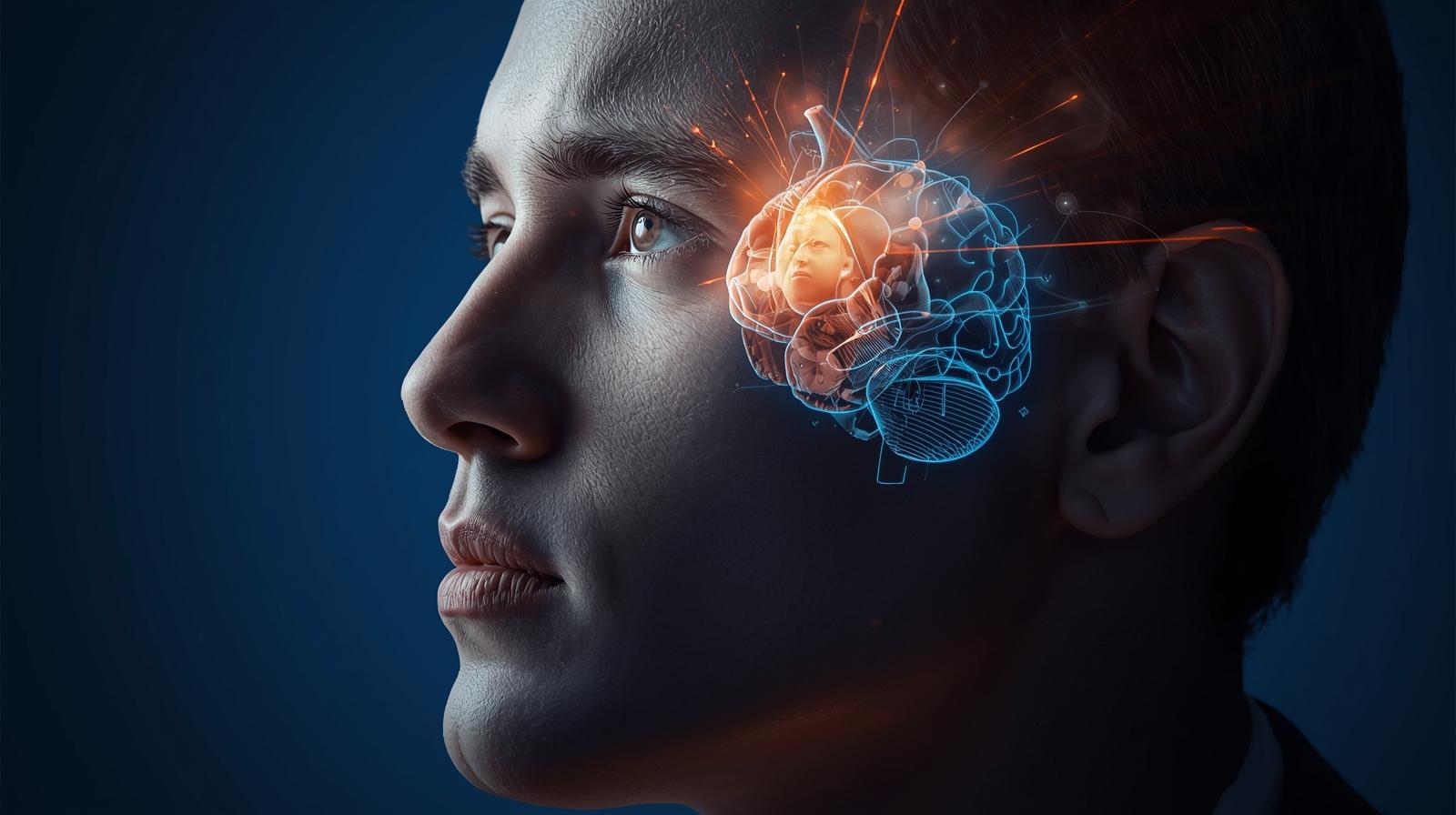
When your brain receives information, it automatically tries to turn it into a picture.
That’s why:
- You remember faces more than names
- You remember places more than addresses
- You remember stories more than facts
Your brain prefers images over text.
Why Images Stay Longer in the Mind
Scientists call this the Picture Superiority Effect.
But let’s keep it simple.
When you see an image:
- Your brain processes it 60,000x faster than words
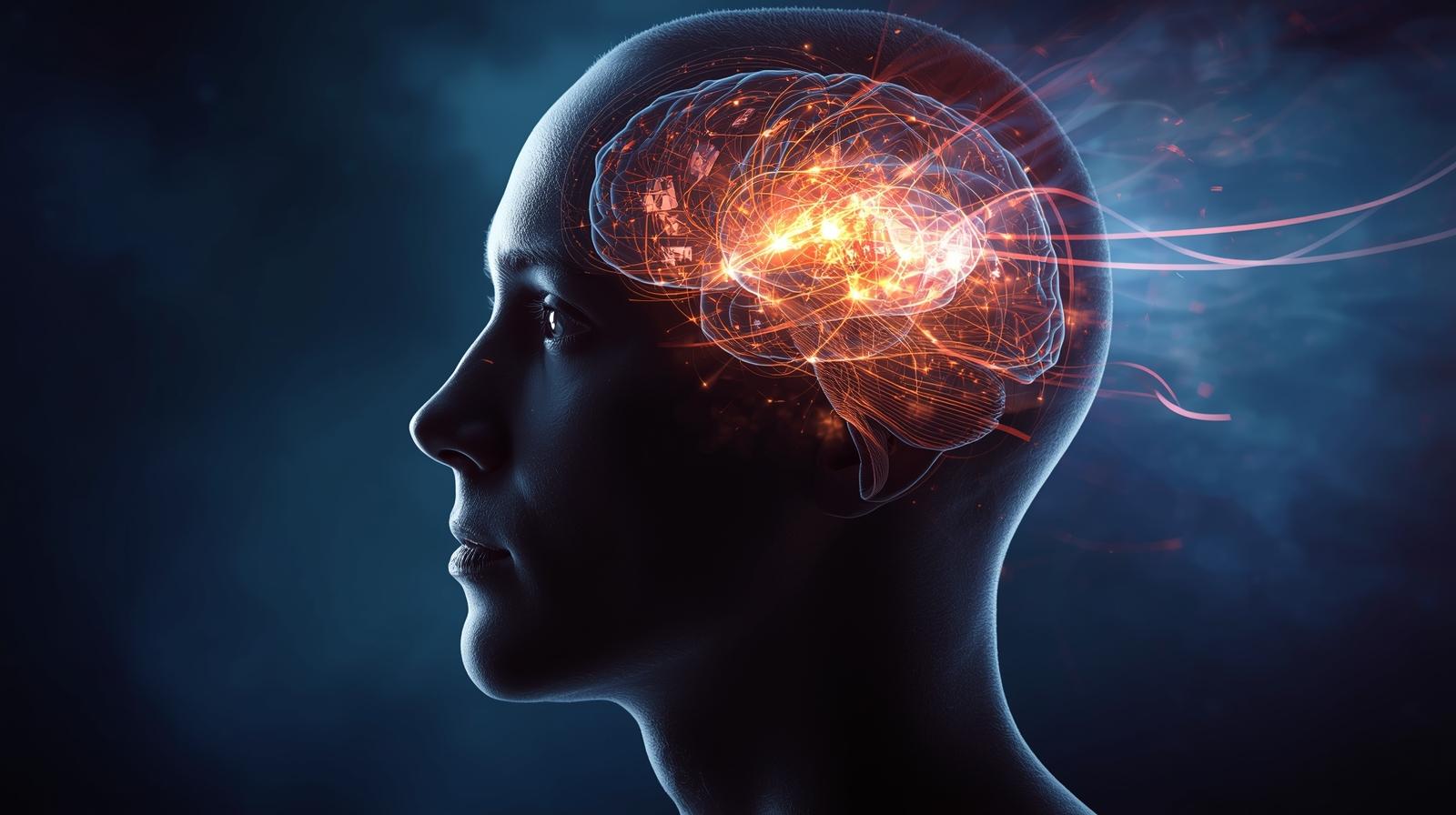
- Multiple brain areas activate at once
- Emotions get attached to the memory
Words use one pathway
Images use many pathways
More pathways = stronger memory.
That’s why one photo can bring back:
- A feeling
- A smell
- A sound
- An entire moment
Your Mind Captures Information Like a Camera
The mind doesn’t remember everything.
It remembers what feels important.
It captures:
- Emotion
- Surprise
- Fear
- Happiness
- Curiosity
For example:
- A boring lecture → forgotten
- A shocking incident → remembered for life
Why?
Because the brain says:
“This matters. Keep it.”
Emotion is the record button of memory.
Why You Remember Embarrassing Moments So Clearly
Ever wondered why embarrassing memories replay so clearly?
Because your mind:
- Creates a strong image
- Adds emotion
- Replays it to “protect” you in the future
Your brain isn’t trying to punish you.
It’s trying to teach you.
Painful memories stay vivid so you don’t repeat mistakes.
How the Brain Turns Information into Images
When you read or hear something:
- The brain translates it into a mental picture
- It connects that picture to past experiences
- It stores it as a scene, not text
That’s why when someone says:
“Imagine standing on a mountain at sunrise…”
You don’t see words.
You see a view.
Your mind thinks in visual language.
Why Stories Are Impossible to Forget
Stories work because they:
- Create scenes
- Trigger emotions
- Follow a beginning, middle, and end
Your brain loves stories because life itself is a story.
Facts disappear.
Stories stay.
That’s why:
- Advertisements use storytelling
- Teachers use examples
- Movies stay in memory longer than books
How to Make Anything Memorable (Mind Hack)
If you want to remember something better:
1️⃣ Turn it into an image
Don’t memorize words — imagine a picture.
2️⃣ Add emotion
Funny, shocking, strange = stronger memory.
3️⃣ Connect it to something personal
Your brain remembers you-related information best.
4️⃣ Repeat the image, not the text
Replay the scene in your mind.
This is how memory champions work — and they’re normal humans.
The Human Mind Remembers What Feels Alive
Your brain is not lazy.
It’s selective.
It remembers:
- What feels real
- What feels emotional
- What feels visual
That’s why moments stay longer than information.
And that’s why images live forever in the human mind.
Final Thought
If you want to understand the human mind, remember this:
The brain doesn’t remember data.
It remembers experiences.