
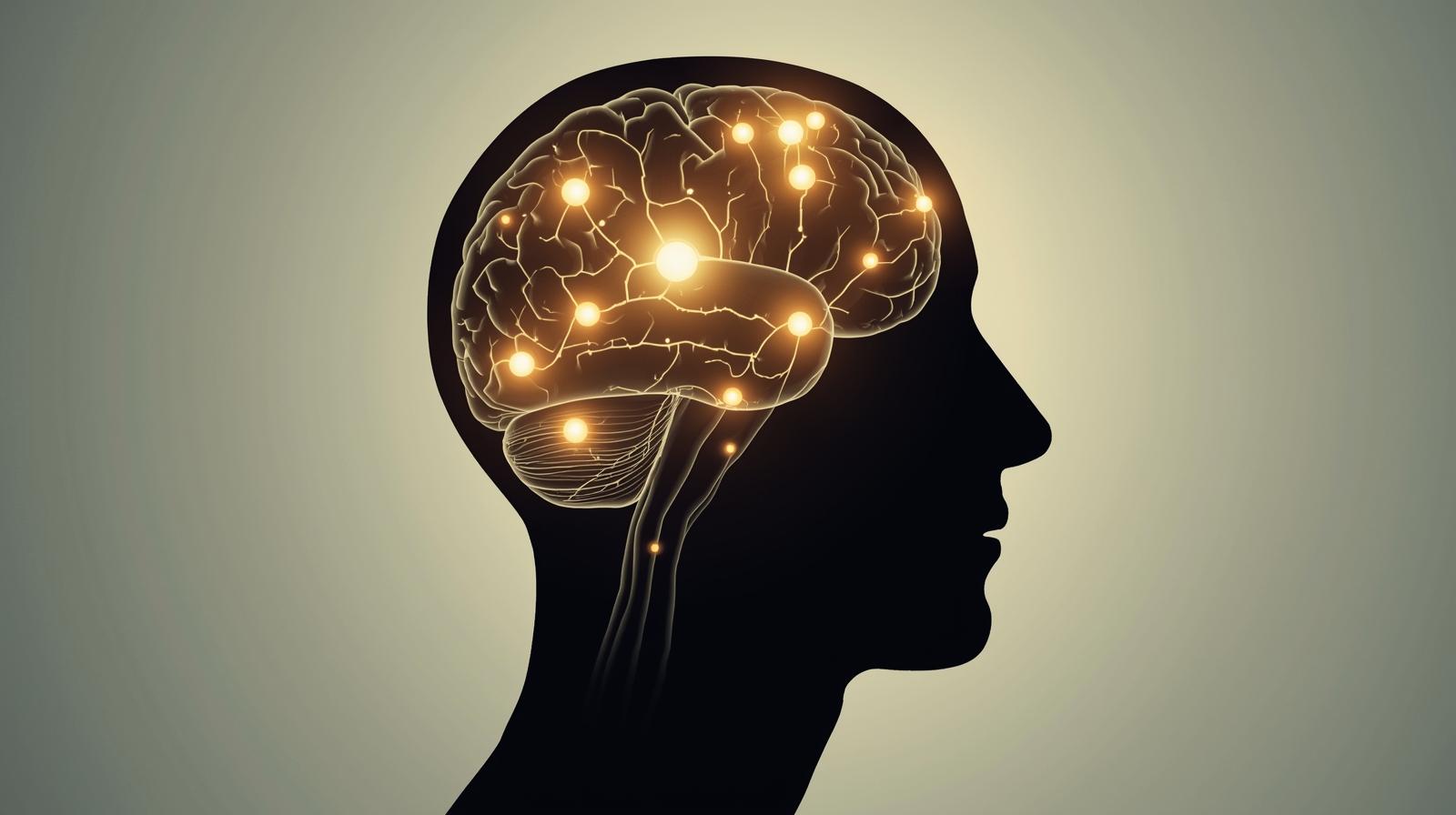
Why the Brain Replays Embarrassing Moments Again and Again
Introduction
Have you ever found yourself replaying an embarrassing moment in your head?
A wrong word, a clumsy fall, a misstep in front of others…
It keeps looping, sometimes years later. This is not random. It’s how the brain learns and protects you.
Embarrassment Is a Powerful Teacher
Embarrassment signals something important:
It tells the brain, “This situation matters socially.”
The brain wants you to avoid repeating mistakes and improve behavior over time.
The Brain’s Self-Protection Mechanism
Your mind is constantly scanning for threats:
Social missteps count as threats to reputation or belonging.
Replaying moments allows the brain to anticipate similar situations in the future.
It’s a form of emotional rehearsal.
Why You Feel Emotional Replay Strongly
Embarrassing memories trigger multiple brain regions:
- The amygdala (emotion processing)
- The hippocampus (memory storage)
- Prefrontal cortex (planning and decision-making)
This combination makes the memory feel vivid, even if the event was minor.
Learning Loops: How Mistakes Are Remembered
The brain doesn’t just store the memory.
It replays and modifies it, forming learning loops.
Each replay highlights what went wrong and what could be done differently next time.
This strengthens your ability to navigate social situations safely.
Why Some Embarrassing Moments Fade Quickly
Not all embarrassing memories stick.
Factors influencing memory persistence:
- Emotional intensity: more intense = stronger memory
- Novelty: first-time mistakes stand out
- Social importance: memories involving key relationships last longer
Less intense moments are forgotten naturally.
The Role of Reflection in Memory Replay
Thinking about a past mistake is not always negative.
Reflection allows the brain to process the experience, reduce anxiety, and integrate lessons.
This is why journaling or talking about experiences helps memory processing.
Embarrassment Connects Deeply With Identity
Embarrassing moments often involve how we see ourselves socially.
Your brain replays them to check:
- Are you acting according to your values?
- Are social rules being followed?
- Is your self-image safe?
This helps maintain personal and social identity.
The Loop of Rumination vs. Learning
Sometimes, replay becomes rumination.
Rumination is endless, negative repetition.
Learning loops are productive replays that help the brain anticipate and adapt.
The key difference is awareness and intention.
Why Context Matters
Embarrassing moments are remembered in context:
- Where it happened
- Who was present
- How did you feel emotionally
Your brain stores situational cues, allowing better prediction for the future.
Social Anxiety and Memory Replay
People with social anxiety may replay moments more often.
Their brain treats every small misstep as a potential threat.
This demonstrates how emotion interacts with memory processing, as explained in
👉 Why Emotions Make Memories Impossible to Forget
Memory Is Not Just Storage — It’s Simulation
Replaying memories is a form of mental simulation.
The brain “practices” different responses to avoid mistakes.
This is a survival mechanism rooted in evolution.
Humor and Perspective Reduce Replay
Laughing at embarrassing moments rewires the brain.
Humor adds positive emotion and reduces threat perception.
Perspective helps the brain mark the memory as less threatening, making the loop shorter.
Why First-Time Mistakes Hurt the Most
The first time you fail socially, the memory is stronger.
Novelty triggers attention and emotion, embedding the memory deeply.
The brain treats new experiences as high-priority lessons.
Memory Distortion in Embarrassment
Your brain can exaggerate details over time:
- Facial expressions
- Reactions of others
- Duration of the event
This is similar to false memory creation, connected to
👉 How the Mind Creates False Memories Without You Realizing It
How Sleep Affects Embarrassment Loops
During sleep, the brain processes emotional memories.
It strengthens learning while reducing unnecessary emotional intensity.
Poor sleep can leave embarrassing memories feeling raw and unprocessed.
Using Embarrassment to Grow
Instead of feeling trapped by replay:
- Reflect briefly on lessons
- Reframe the memory with humor or perspective
- Focus on skill-building for similar situations
The brain learns faster this way, turning loops into growth.
E-E-A-T: Expertise in Understanding Embarrassment
This article combines:
- Experience: universal human patterns
- Expertise: cognitive psychology of memory and emotion
- Authoritativeness: aligned with research on learning loops and emotional processing
- Trustworthiness: honest insights without exaggeration
Your brain works this way naturally, and knowledge empowers you.
Final Thought
Your brain is not punishing you when embarrassing memories replay.
It’s guiding you, teaching you, and keeping you socially safe.
Every cringe moment is a lesson your mind rehearses, not a mistake it punishes.